
May 2026
Added SCIM provisioning and a dedicated region in eu-west-2 for Pylon Signal Enterprise.

Pylon Signal makes data analysis easy for everyone. Visualise key metrics, track performance, and discover trends without needing a data science background.


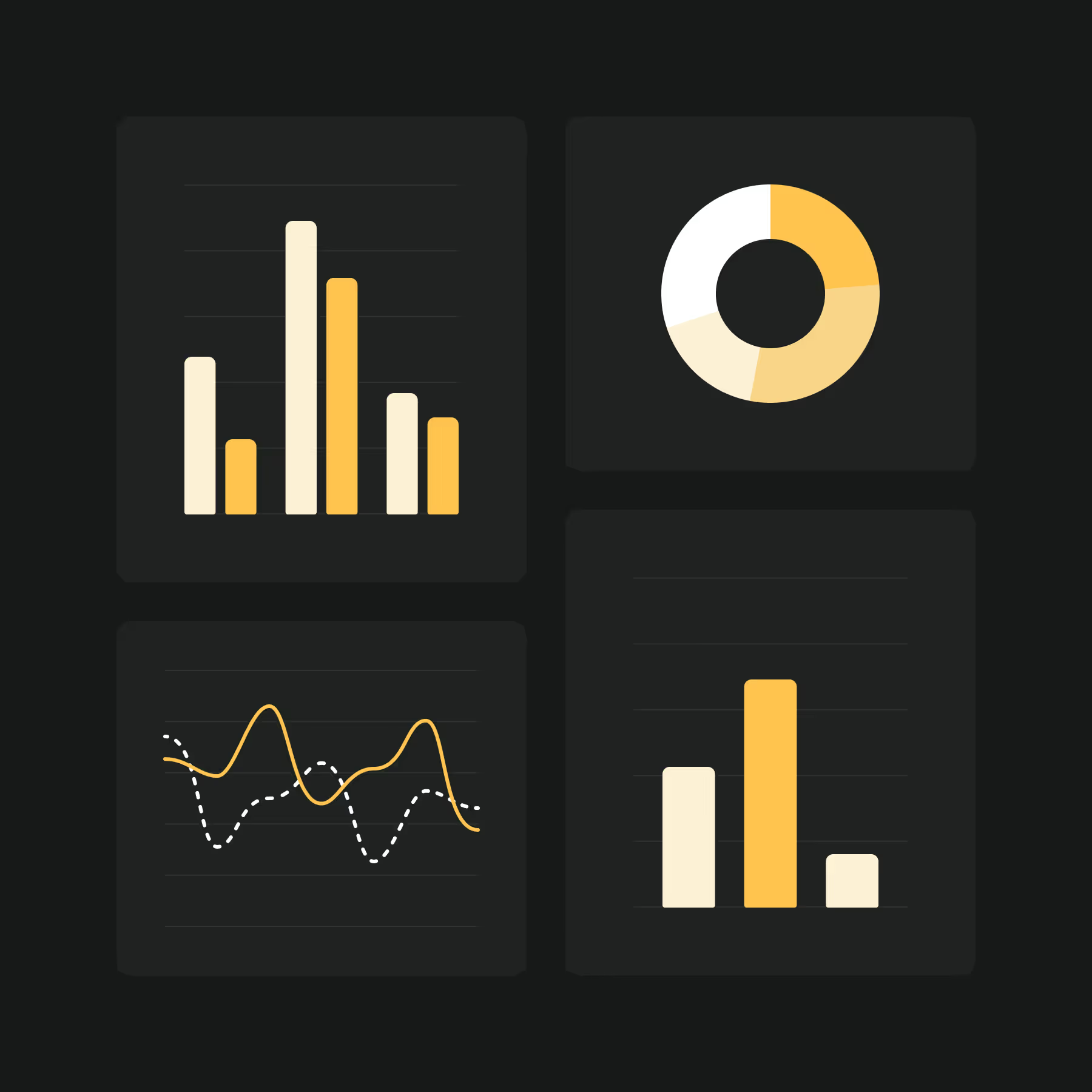

Create intuitive, custom dashboards to visualise your most important metrics. No coding or technical skills required.

Get the latest insights with real-time data refreshes. Stay on top of changes as they happen, keeping your team informed.

Set up automated reports to be delivered directly to your inbox. Save time and focus on making decisions, not creating reports.

Share dashboards and reports with your team for seamless collaboration. Comment, edit, and review data insights together.
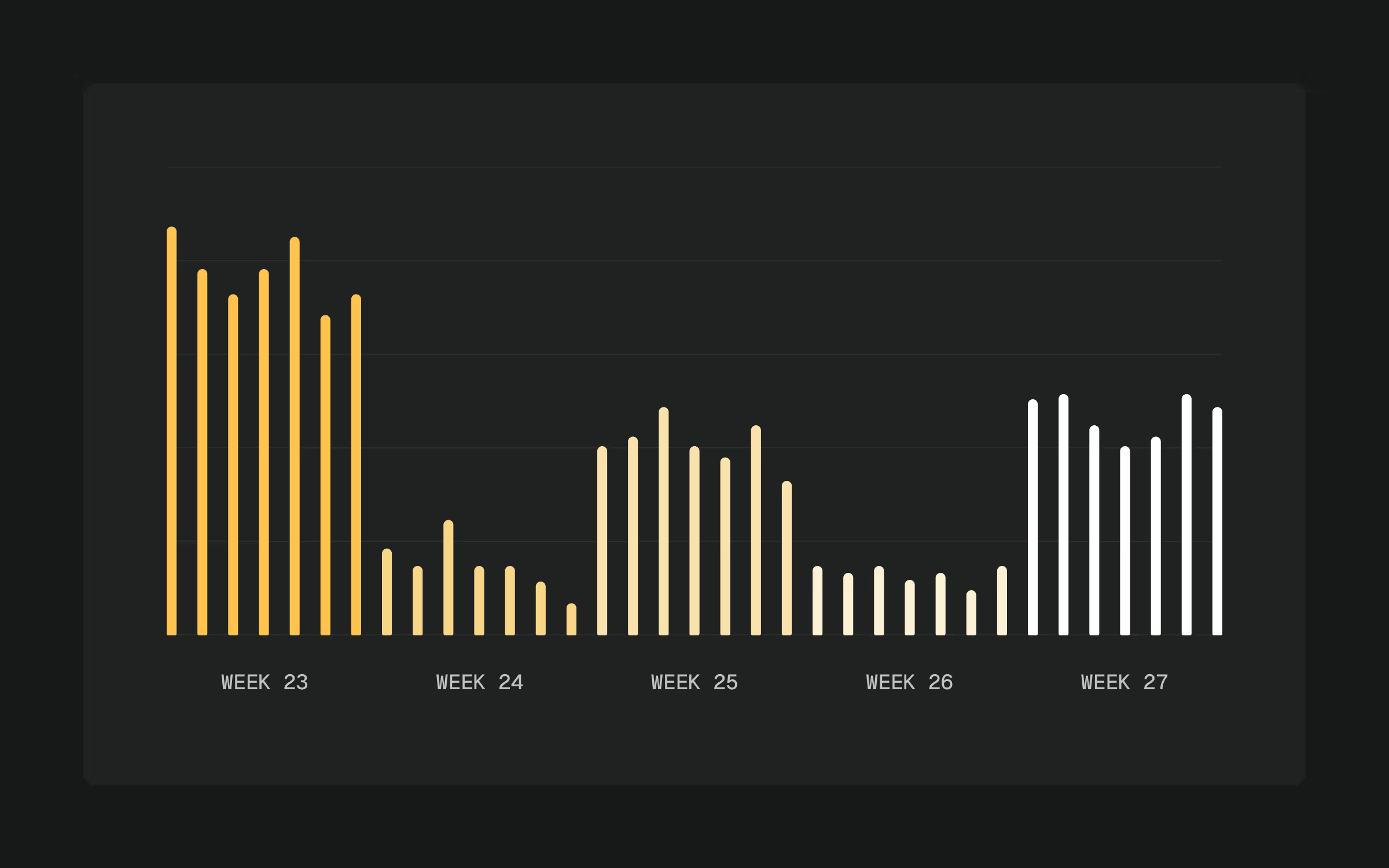

Always stay up-to-date with live data flowing directly into your dashboard. Track changes as they happen.

Tailor your dashboard to show the metrics that matter most. Create multiple views for different team members or purposes.

Easily share your insights with the team. Comment, edit, and collaborate on reports without leaving the platform.
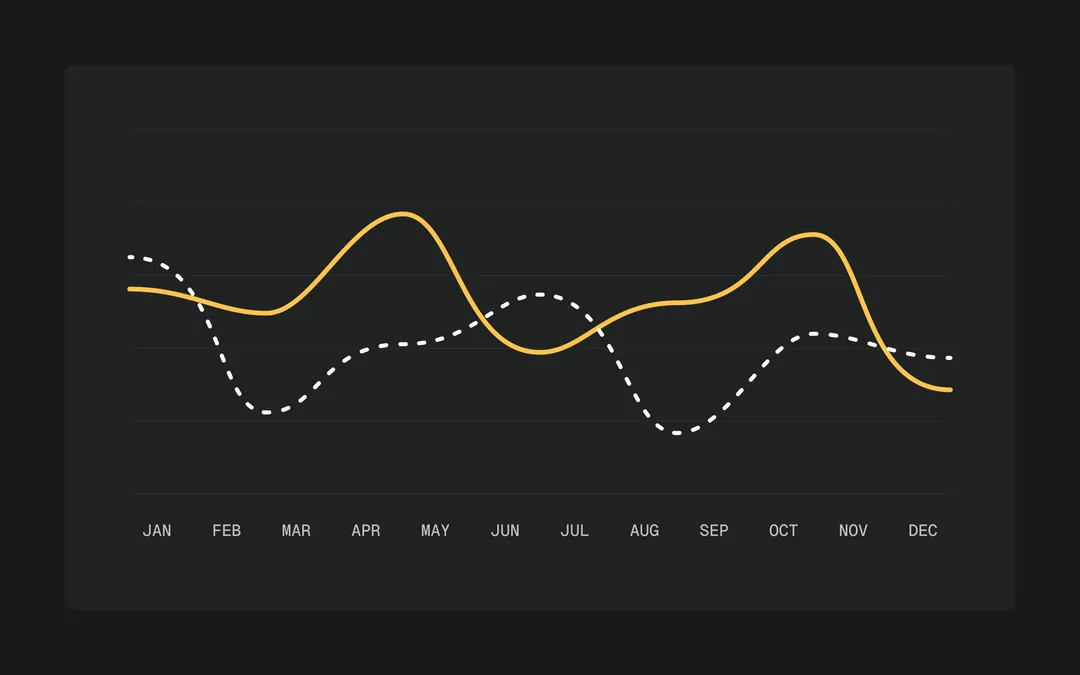
Save time with automated, scheduled reports. Get the insights you need, delivered straight to your inbox.

Discover patterns and trends in your data effortlessly. Visualise historical data to forecast future performance.

Dive deeper into your data with interactive charts. Hover and click for more detailed insights and breakdowns.



Answers to questions you might have about Pylon Signal.

Pylon Signal is a data analytics platform that helps businesses track, visualise, and optimise their performance metrics in real-time. It enables teams to make data-driven decisions through customisable dashboards and powerful insights.
Pylon Signal is ideal for startups, tech companies, and growing businesses that want to harness the power of their data. It’s built for teams looking to improve their decision-making by tracking key performance indicators (KPIs) across all departments.
Security is our top priority. Pylon Signal uses end-to-end encryption, secure data centres, and regular security audits to ensure your data is protected at all times. We also offer role-based access control to manage permissions within your team.
Yes, Pylon Signal integrates with a wide range of tools, including CRM systems, marketing platforms, and cloud storage services. Our API allows for seamless integration, helping you connect Pylon Signal to the software you already use.
Absolutely! Pylon Signal’s interface is user-friendly and intuitive, designed for both technical and non-technical users. You can create custom reports, dashboards, and visualisations without any coding knowledge.
platform use Pylon Signal to cut manual, repetitive work and ship outcomes in days instead of weeks.
One shared source of truth keeps platform, SRE, and DevOps teams running production systems on the same page, with no more scattered spreadsheets or threads.
Built-in reporting shows the impact of Pylon Signal so you can justify the investment to leadership.
The playbook our success team walks every new customer through.
List the incident management platform tools currently in use and the workflows that depend on them. Pylon Signal usually replaces between one and four overlapping tools.
Document the entities you care about and how they relate. Pylon Signal has importers for the common shapes; the rest fits a clean JSON model.
Don't migrate the whole company on day one. Pick the team that most needs the new workflow — usually platform — and roll out Pylon Signal there first.
Run Pylon Signal alongside the incumbent for two weeks. Compare reports daily. Flip the switch only when the team can't tell which tool the data came from.
Export everything from the legacy tool, archive it, and turn off the contract. Pylon Signal can store the archive as a read-only dataset so nobody loses history.
Pylon Signal is SOC 2 Type II certified, supports SAML SSO, and runs paging infrastructure across three independent providers. Pylon Signal maintains a public trust center, supports SAML SSO and SCIM provisioning, offers per-customer data isolation, and can complete most enterprise security reviews in a week.
The numbers from Pylon Signal customers in the first six months.
platform who switch to Pylon Signal report cutting onboarding by nearly half — from weeks to days.
Automating routine work in Pylon Signal frees teams to focus on the decisions only humans should make.
Customers consolidate an average of four overlapping incident management platform tools after rolling out Pylon Signal.
“Switching to Pylon Signal paid for itself within a quarter. Our team finally has one source of truth instead of five.”
Dana R., VP of Operations
“The fastest rollout we've ever done. On-call that turns alert noise into one clear timeline. It just works.”
Marcus L., Director of Engineering
“Support is responsive and the product keeps getting better. Pylon Signal is now core to how we operate.”
Priya S., Head of Growth
Pylon Signal integrates with the tools you rely on.
“We evaluated five incident management platform tools and Pylon Signal was the only one that didn't make our team feel like they were filling out a form. It just gets out of the way.”
Jordan A., Head of Product
“Three months in, Pylon Signal is the tool people open first every morning. That's a metric I trust more than any NPS.”
Sam K., Director of Operations
Every plan includes the basics; Enterprise unlocks the rest. Full plan comparison below.
Pylon Signal ships often. Here's the last eight months at a glance.
Added SCIM provisioning and a dedicated region in eu-west-2 for Pylon Signal Enterprise.
New audit-log SIEM exports (Splunk, Datadog) and a per-workspace API rate limit.
Refreshed dashboards with a faster query engine — most reports load 2× quicker.
Prometheus integration moved out of beta; PagerDuty import integration entered beta.
New Slack and Microsoft Teams notification triggers, plus a digest mode.
Annual contracts now include a 15% discount; first 30 days fully refundable on every plan.
Public API now returns idempotency keys on POST endpoints; SDKs updated.
Launched Pylon Signal on AWS Marketplace with private offer support.
Pylon Signal ships open APIs, webhooks, and bulk exports. Your data is yours — there is no vendor lock-in.
No hidden seats, no surprise overage bills. Pylon Signal is priced per responder per month — people who only read incidents are free.
Pylon Signal is SOC 2 Type II certified, supports SAML SSO, and runs paging infrastructure across three independent providers. You can keep data in the EU or US region of your choice.
Pylon Signal is built with platform, SRE, and DevOps teams running production systems, not at them. Every feature ships with a real workflow in mind.
What to look for when evaluating a incident management platform, and the mistakes teams make.
The criteria and workflows that matter most when picking incident management platform software.
How Pylon Signal protects your data, and the certifications we hold.
Practical writing for platform, SRE, and DevOps teams running production systems — new features, workflow patterns, and the occasional teardown of how a customer rebuilt their incident management platform. No spam, unsubscribe in one click.
Pylon Signal is an incident management and on-call platform. It dedupes noisy alerts from your monitoring tools into a single incident timeline, routes pages to the right responder, and writes the postmortem draft for you.
Everything Pylon Signal does is shaped around how platform, SRE, and DevOps teams running production systems actually work — no bloated setup, no consultants required.
Native integrations with Datadog, Prometheus, PagerDuty import, Slack, plus a documented REST API and webhooks so Pylon Signal fits the tools you already use.
Pylon Signal is SOC 2 Type II certified, supports SAML SSO, and runs paging infrastructure across three independent providers.
Skip the long implementation. Most teams have Pylon Signal running the same day and see value in the first week.
Dashboards, reports, and alerts turn raw incident management platform data into decisions your whole team can make confidently.
From your first project to millions of events, Pylon Signal grows without a re-platform or a pricing surprise.
The terms that show up most often when teams evaluate Pylon Signal — explained without jargon.
Annual recurring revenue — the predictable revenue your business generates each year.
Monthly active users — the number of distinct users active in a 30-day window.
The moment a new user has done enough in the product to be likely to come back.
Time to value — how long it takes a customer to get the first measurable outcome.
Net revenue retention — revenue from existing customers including expansion and churn.
A group of customers grouped by a shared trait (e.g., sign-up month) so you can compare them.
An API guarantee that repeating the same request produces the same result, with no duplicates.
Architecture where one running system serves many customers with strong isolation between them.
A geographical zone (e.g., EU-West) where data can be stored to meet residency requirements.
Boundaries that ensure one customer's data can never be read by another.
A contractual guarantee about uptime or response time, usually with credits when missed.
An immutable record of who did what and when, used for security and compliance reviews.
Recognized as a leader in incident management platform on G2 across SMB and Mid-Market categories.
Top scores for ease of use and customer support among incident management platform tools.
Pylon Signal ranked first for fastest time to ROI in its category — typically under 90 days.
Pylon Signal is consistently ranked top-3 for shortest implementation time in its segment.
Teams in regulated and high-velocity industries pick Pylon Signal for the same reason: it fits the way they already work.
Used by product, growth, and engineering teams to ship incident management platform workflows that scale.
Meets the audit, SOC 2, and data-residency requirements regulated finance teams expect.
Supports HIPAA-eligible plans, signed BAAs, and per-tenant data isolation for clinical teams.
Integrates with order, customer, and event streams so commerce teams act on incident management platform signals in minutes.
Handles bursty event volume from large audiences without a re-platform.
Available in dedicated regions with an annual contract and a named success manager.
Familiar but fragile. They break the moment platform grow past one team, and there is no audit trail.
Powerful but slow to roll out, priced per seat, and built for a 2014 stack. Most teams use 20% of the feature set.
On-call that turns alert noise into one clear timeline. Modern, opinionated, $19/responder to start, and you can swap it out any time — your data exports cleanly.
Connect your data and the tools your team already uses in a few clicks.
Set up incident management platform workflows that match how platform, SRE, and DevOps teams running production systems operate.
Get the insights, alerts, and reports you need to move — and prove impact.
The standard story about incident management platform tools — that you pick the biggest brand, sit through a six-month implementation, and hope your team adopts it — has stopped being true. The teams that move fastest in 2026 are the ones that pick opinionated software, get a workflow live in days, and replace incumbents that nobody on the team actually liked anyway. Pylon Signal is built around that reality.
Three patterns show up over and over with platform, SRE, and DevOps teams running production systems: the first tool of any new category gets adopted in the first week or never; an integration that doesn't exist on day one will be requested every quarter; and pricing that is hard to predict is the single fastest way to lose internal sponsorship. Pylon Signal addresses each of those head-on — on-call that turns alert noise into one clear timeline., Datadog, Prometheus, PagerDuty import, and Slack on day one, and Pylon Signal is priced per responder per month — people who only read incidents are free.
What that means in practice: a team that adopts Pylon Signal this quarter has a high probability of standardizing on it. The cost of switching to a different incident management platform a year from now is by design lower than with the incumbents — your data exports cleanly, the API is documented, and the contracts have no escape clauses. We think confidence in the exit is what makes the adoption easy.
Chat with the Pylon Signal team about pricing, plans, procurement, and onboarding — we usually reply within minutes.
Talk to Sales